
Ledger.com/Start® | Getting started — Ledger®
Ledger.com/start introduces essential Ledger wallet setup concepts, helping users prepare their device, connect Ledger Live, manage accounts, and maintain responsible security practices.
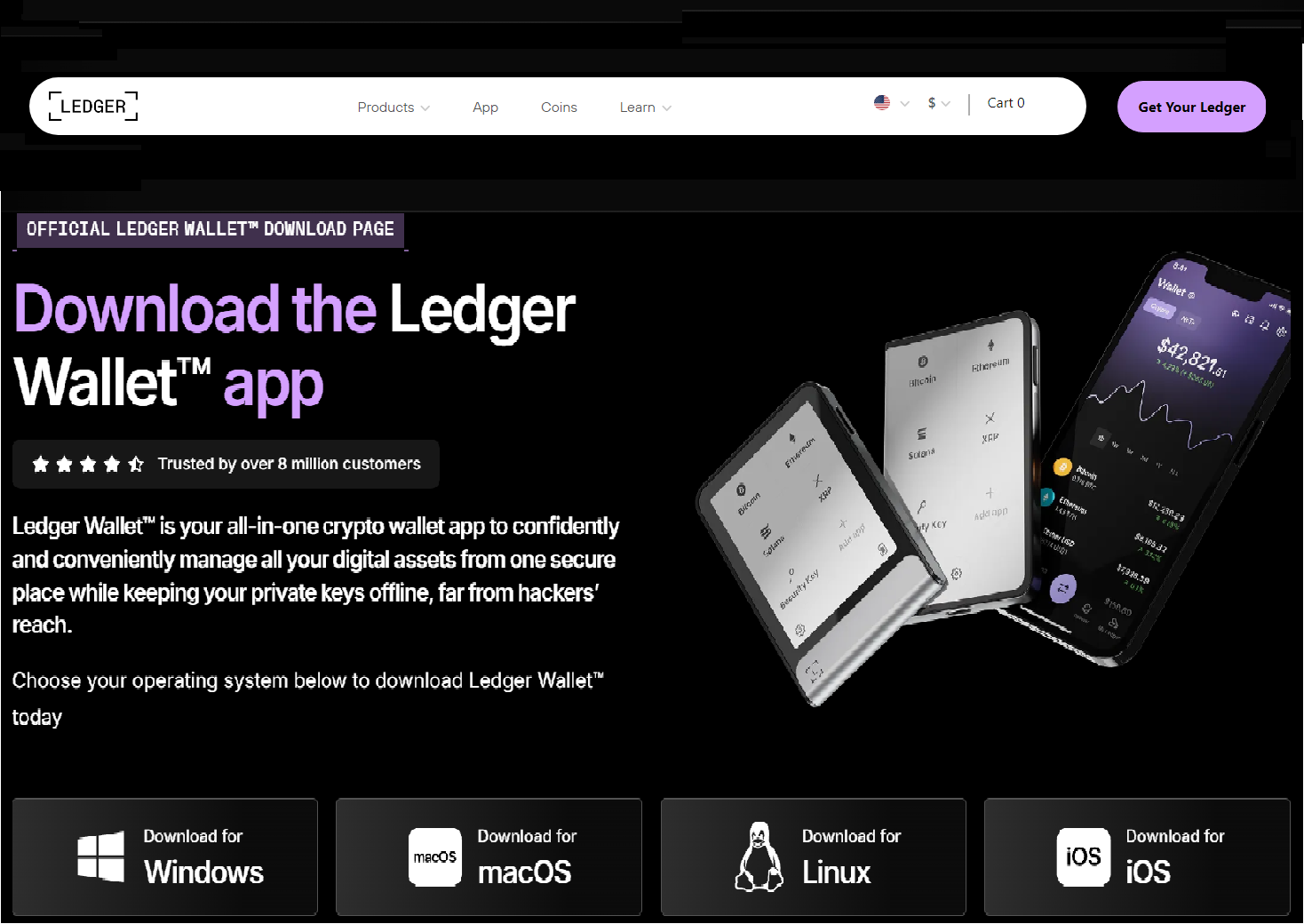
Ledger.com/start: A Complete Guide to Secure Ledger Wallet Setup
Setting up a hardware wallet is an important step for anyone who wants greater control over cryptocurrency security. The process involves more than plugging a device into a computer. Users need to understand device initialization, wallet software, recovery information, access protection, and transaction verification before managing digital assets. Ledger.com/start can be used as a starting point for understanding the Ledger wallet setup process and preparing a device for secure use.
A Ledger hardware wallet is designed to keep sensitive wallet credentials isolated from everyday computer activity. Instead of relying entirely on a connected computer to authorize transactions, the hardware device provides an additional security layer for confirming important actions. Understanding how this process works can help users make better decisions throughout wallet setup and everyday crypto management.
What Is Ledger.com/start?
Ledger.com/start refers to the starting point associated with setting up and preparing a Ledger hardware wallet. New users can use the setup process to become familiar with device initialization, security requirements, compatible wallet software, and basic account management.
A proper setup should always begin by carefully checking the device, understanding the instructions displayed on the hardware wallet, and avoiding unofficial websites or unknown applications. Taking a few extra minutes to verify information can reduce the possibility of making a costly mistake.
Understanding Ledger Hardware Wallet Security
A hardware wallet provides a dedicated environment for handling the credentials required to authorize cryptocurrency transactions. The connected computer or phone may display account information and blockchain data, but sensitive authorization is handled through the hardware device.
This distinction is important because a computer can be exposed to malicious software, fake websites, or suspicious browser extensions. Using a hardware wallet adds another layer between potentially vulnerable online environments and transaction approval.
Preparing Before Starting the Wallet Setup
Before beginning, choose a private location where the device can be initialized without interruptions. Keep the hardware wallet, its accessories, and any setup instructions available.
It is also useful to ensure that the computer or mobile device being used is operating normally and has not been modified with unknown applications. Avoid following setup instructions received through unsolicited messages, advertisements, or unfamiliar links.
Preparation is particularly important because recovery information and security credentials should never be handled casually.
Beginning the Ledger Device Configuration
Once the device is ready, follow the setup instructions displayed by the hardware wallet. The device may guide the user through initial configuration, security verification, and other required steps.
Pay close attention to the information shown directly on the physical device. When a sensitive instruction or verification request appears, users should not assume that the computer screen is always the final authority.
The hardware wallet should remain under the user's control throughout the setup process.
Completing Wallet Initialization
Wallet initialization establishes the foundation for using the device. Depending on the device and setup path, users may be guided through creating a new wallet or restoring an existing one.
Each option has different security implications. A newly created wallet generates its own recovery information, while restoring an existing wallet requires the correct recovery information associated with that wallet.
Users should never enter recovery information into websites, forms, emails, or messages simply because someone claims it is necessary for activation.
Protecting the Recovery Phrase
The recovery phrase is one of the most important parts of a self-custody wallet. It can provide the information needed to restore access to a wallet if the original hardware device becomes unavailable.
Because of this, the recovery phrase should be kept private and stored in a secure physical location. Avoid saving it in screenshots, cloud storage, email accounts, messaging applications, or ordinary text files.
Anyone who obtains the recovery information may potentially gain access to the associated wallet. It should therefore be treated as highly sensitive information.
Why Recovery Information Matters
A hardware wallet can be replaced, but the recovery information represents the underlying wallet backup. This is why protecting the recovery phrase is often more important than protecting the physical device alone.
Users should also avoid making unnecessary copies or sharing the phrase with other people. Legitimate support representatives should not need a user's complete recovery phrase to troubleshoot ordinary setup problems.
Creating Strong Device Access Protection
During setup, the hardware wallet may require a device access code or PIN. This provides an additional barrier against someone who physically obtains the device.
Choose a PIN carefully and avoid using information that another person could easily guess. Never write sensitive access information where it can be casually observed.
If a device is lost or stolen, the recovery information and access controls become especially important components of the overall security strategy.
Connecting Compatible Ledger Software
After the hardware wallet has been initialized, users may connect it with compatible Ledger software for account management and portfolio activity.
The companion application can provide information such as account balances, supported assets, transaction history, and available management features. However, the software interface should not be confused with the security role of the hardware wallet.
The physical device remains an important part of transaction authorization because users can review and approve actions through the hardware interface.
Managing Cryptocurrency Accounts
Different cryptocurrencies may require different blockchain applications or account configurations. Users should make sure they understand which asset they are managing before creating or selecting an account.
Account names and balances shown in software are useful for organization, but users should always pay attention to network details, asset types, and destination information when conducting transactions.
Keeping accounts organized can also make it easier to recognize unfamiliar activity.
Receiving Cryptocurrency Carefully
Receiving cryptocurrency generally requires providing an appropriate wallet address to the sender. Because blockchain transactions are generally irreversible, users should verify that the address and network are correct before funds are transferred.
For important transfers, checking the address through the hardware wallet can provide an additional opportunity to confirm that the displayed information matches what is expected.
Avoid relying exclusively on copied addresses without checking the details.
Reviewing Transactions Before Approval
Transaction approval is one of the most important stages of hardware-wallet usage. Before confirming a transaction, review the recipient address, amount, network, and any applicable fees.
A malicious application or compromised computer could potentially display incorrect information. Reviewing the transaction directly on the hardware device gives users another opportunity to identify unexpected details.
If something looks different from what was intended, stop and investigate rather than approving immediately.
Recognizing Fake Ledger Websites
Cryptocurrency users frequently encounter websites that imitate legitimate wallet services. These pages may use similar branding, misleading advertisements, fake support messages, or domain names designed to look authentic.
Users should avoid entering passwords, recovery phrases, PINs, or other sensitive information into suspicious websites.
When beginning the setup process, independently navigate to the appropriate official resources instead of relying on links sent through unsolicited messages or unknown social-media accounts.
Keeping Wallet Software Updated
Wallet software and device firmware may receive updates that improve compatibility, functionality, or security. Users should approach updates carefully and obtain them through trusted sources.
Before installing anything, verify that the application or update is genuine. Avoid downloading wallet software from random file-sharing websites or links supplied by unknown individuals.
Keeping software current is useful, but verifying its source is equally important.
Common Ledger Setup Mistakes to Avoid
Several mistakes can make wallet setup less secure. These include sharing recovery information, storing the recovery phrase online, using unofficial applications, rushing through transaction confirmations, and trusting unsolicited support messages.
Another common mistake is assuming that a website is legitimate simply because it looks professional. Visual design alone does not establish authenticity.
Security decisions should be based on verified sources and information displayed by the physical device.
Verifying Information on the Hardware Wallet
The physical Ledger device can provide an important verification point during sensitive operations. When a transaction or address needs confirmation, users should compare the information displayed on the device with what they intended to do.
This additional check can help identify discrepancies before a transaction is finalized.
Developing the habit of checking the hardware display can make transaction approval more deliberate and reduce the chance of blindly accepting unexpected information.
Developing Safer Ledger Security Habits
Good wallet security is not limited to the initial setup. Users should continue protecting recovery information, reviewing transactions carefully, avoiding suspicious websites, and maintaining control over their hardware device.
It is also useful to learn how phishing attempts work. Attackers may create urgency by claiming that an account is blocked, a wallet needs verification, or a recovery phrase must be entered immediately.
Security improves when users slow down and independently verify unexpected requests.
What to Do If a Setup Problem Appears
If something does not work as expected, avoid searching for unofficial fixes that require sensitive information. Do not provide a recovery phrase or private credentials to someone claiming to offer technical support.
Instead, stop the process, identify the exact issue, and consult trusted documentation or official support resources.
Taking a cautious approach is generally safer than attempting a rushed workaround.
Why a Careful Setup Matters
A hardware wallet is most useful when its security features are combined with responsible user behavior. The device can provide strong protection, but users still need to recognize phishing attempts, protect recovery information, verify transactions, and use trustworthy software.
Ledger.com/start can therefore be viewed as more than a simple setup destination. It represents the beginning of a broader process of learning how hardware-based cryptocurrency security works.
Final Thoughts
Setting up a Ledger hardware wallet should be approached as a security process rather than a quick installation task. From the first device configuration to everyday transaction approval, each step contributes to the protection of cryptocurrency assets.
By preparing carefully, protecting the recovery phrase, using trusted wallet software, verifying information directly on the hardware device, and remaining alert to phishing attempts, users can establish stronger habits for managing digital assets.
A thoughtful Ledger wallet setup provides a foundation for more confident cryptocurrency management while keeping security considerations at the center of the experience.
Updated about 5 hours ago